The Five-Minute Apprenticeship: A Newcomer's Guide to Chester's Comedy Ladder in 2026

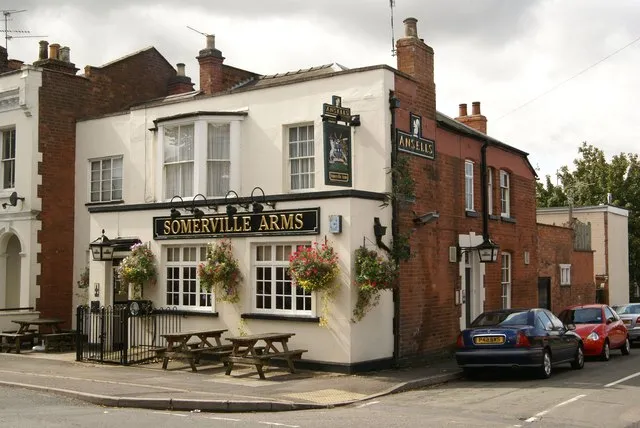
Photo: Paul Bailey from London, UK, CC BY 2.0, via Wikimedia Commons
Every opening act starts as a person with a notebook, a bad microphone and a friend who's agreed to laugh. Chester's new-act circuit is small enough to feel welcoming and busy enough to teach you fast — if you know how to work it. As of November 2026, there are open-mic spots, new-act nights and plenty of rooms where a five-minute set is both a baptism and a job interview. Here's how the ladder actually works, what bookers want, and a month-by-month plan to climb it without torching your reputation.
Understand the ladder
The comedy ladder isn't a single staircase; it's a series of small, slightly wobbly steps. In Chester, it usually looks like this: open-mic spot, new-act night, paid support, opening act, feature, headliner. You don't skip rungs by being brilliant in your bedroom. You climb by being bookable in a room with a sticky floor and a two-drink minimum.
How to get a spot
Start by watching. Go to open mics before you ask for one. Learn the format, the host, the vibe and the average audience. Then send a short, polite message to the promoter: who you are, where you've performed (or that you haven't), a link to a clear video of a recent set, and the dates you're available. Don't send a 12-page autobiography. Don't send a video of you doing material in your kitchen with a ring light. Don't ask 'any chance of a spot?' without telling them what they're getting.
Bookers want reliability first and fireworks second. Turn up early, stay for the whole night, thank the host, and don't bring a stag party. The Chester circuit is friendly, but it's also small. People remember the act who helped stack chairs.
What bookers actually want
We asked a Chester booker — who asked not to be named because they were midway through rebuilding a mic stand with gaffer tape — what makes a new act bookable. Their answer was refreshingly blunt: 'Turn up, know your five, don't overrun, and don't blame the audience if it doesn't land.'
That's the job. A tight five is better than a loose ten. A clear voice is better than a costume. And a comic who can handle a quiet room without turning on the crowd is worth more than one who only works when the audience is already warmed up.
They also want someone who understands the room. A mixed pub crowd is not a comedy-club crowd. A late-night student audience is not a Sunday afternoon crowd. The acts who climb fastest are the ones who can read the temperature and adjust without sulking.
The unwritten rules of a five-minute set
- Hit your first proper joke within 15 seconds. The audience has given you a gift; don't spend it on throat-clearing.
- Know your time. Five minutes means five. Four minutes fifty is fine; five minutes twenty is a meeting.
- Don't blame the room. If it's quiet, drive the set. If it's noisy, slow down. If it's weird, acknowledge it once and move on.
- Bring a friend, not a fan club. One supportive mate is lovely. Six mates shouting your name is a hostage situation.
- Record your set. Watch it back with the sound off first, then with sound. Both versions are useful.
- Thank the host and the room. Then get off. The next act needs the stage more than you need a victory lap.
- Don't corner the booker while they're carrying a laptop and a pint. Send a thank-you message the next day.
Local insights from the Chester circuit
Chester audiences are warm, but they're chatty. That's not an insult; it's a fact of pub comedy. The best new acts learn to work with the clink of glasses instead of pretending they're in a silent theatre. Bookers watch how you handle that. If you can keep a room of mildly distracted humans with you for five minutes, you'll get another spot.
The other local lesson is that the scene is a network, not a queue. Promoters talk to each other. Hosts talk to each other. Acts talk to each other, usually in the smoking area and usually about the one guy who overran by four minutes. Being kind, punctual and easy to work with is not a soft skill; it's the whole game.
A month-by-month plan for your first year
Month 1: Watch five gigs. Write three minutes of material. Film yourself once, hate it, and keep the bits that made you laugh without forcing it.
Month 2: Do your first open-mic spot. Film it. Write down which jokes landed and which ones got the pity laugh. Do not argue with the audience on the walk home.
Month 3: Get three more spots. Rotate the same five minutes. Cut the weakest joke and replace it with one new bit. Learn your set well enough to drop a line if the room goes quiet.
Month 4: Build towards a solid five. Perform it in at least three different rooms. If a joke only works with your mates in the front row, it doesn't work yet.
Month 5: Start writing new material. Try one new joke per set. Bombing with a new bit is research; bombing with the same old bit is a habit.
Month 6: Ask a host or booker for honest feedback. Not 'was I good?' — ask 'what would you cut?' Listen without defending. Then decide what to ignore.
Month 7: Apply to new-act nights. Send a clean video of your best five and a short note. Be flexible about dates. Turn up early and stay late.
Month 8: Do a mixed bill. Watch the other acts. Learn how they handle a quiet room, a loud room and a heckler. Steal nothing but timing.
Month 9: Aim for your first paid spot or a support slot. It might be £20 and a pint. Take it. Treat it like a headline gig.
Month 10: Tighten your set for a longer slot. Ten minutes is not two fives stuck together; it's a different shape. Learn to build and land.
Month 11: Do a room you're slightly scared of. A bigger audience, a different crowd, a night where you're not the local new act. That's how you grow.
Month 12: Review the year. Count the gigs, the bombs, the laughs and the bridges you didn't burn. Then book your next five spots. The ladder doesn't climb itself.
The bit nobody tells you
The ladder is not about being discovered. It's about becoming useful. Bookers need acts who make a night run smoothly, hosts need comics who don't make their job harder, and audiences need someone who can turn a lukewarm room into a good time. Do that consistently in Chester in 2026 and you won't just get stage time — you'll get a reputation. And in comedy, a good reputation is the only shortcut worth taking.