Last Orders, First Laughs: What Chester's Vanished Comedy Rooms Still Teach Us
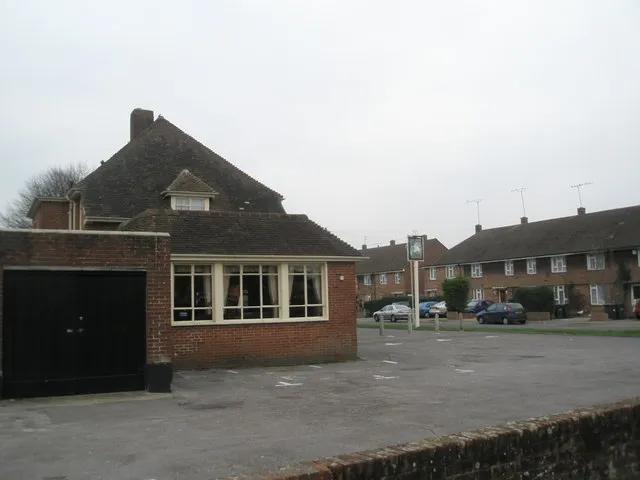
Photo: Basher Eyre, CC BY-SA 2.0, via Wikimedia Commons
Every comedy scene has a graveyard. Chester's is mostly carpeted, faintly beery, and tucked behind a door marked 'Function Room' with a laminated sign that once said 'Comedy Tonight' and now says 'Quiz'. The rooms are gone — or at least repurposed into brunch spots and storage for excess chairs — but their ghosts are still doing the rounds.
This isn't a misty-eyed trip down memory lane for its own sake. The Laugh Inn Chester is a forward-facing operation: we like a gig guide, a punchline and a sensible last train. But the lost rooms of Chester comedy left behind a syllabus. Some of it is about sightlines and bar queues. Some of it is about why you should never book a stag do into the front row and then act surprised when the show becomes a wrestling match. And one bit of it is about the fire brigade.
So let's pour one out for the sticky carpet. Here's what the vanished rooms got right, got wrong, and what you can nick from them on your next night out.
The Back Room With the Borrowed Spotlight
There was a pub near the racecourse — no names, because the current landlord has enough to deal with — where the comedy room was essentially a corridor with ambitions. Low ceiling, one pillar, a spotlight borrowed from a mate's mobile DJ rig, and a stage that was three pallets and a prayer.
It was glorious. It was also a masterclass in why architecture is comedy's silent partner. If a pillar can hide a heckler, it can hide the punchline. If the ceiling is low enough, the comedian's forehead becomes the headline act. And if the spotlight has a fifty-fifty chance of working, the compere becomes an emergency electrician.
The lesson for 2026 gig-goers: arrive early enough to choose your seat with your eyes open. Front row is for the brave, the curious or the deeply foolish. Behind a pillar is for nobody. And if the room feels like a sauna with a microphone, that's not 'atmosphere' — that's a sign the venue has packed too many people into a space designed for a wake.
The Basement That Doubled as a Sauna
Ah, the basement. Every city has one. Chester's was the sort of room where the comedy was hot and the air was hotter. The bar was at the back, the queue was at the front, and the interval was long enough to grow a beard.
The infamous story — the one veteran comperes tell with a grin and a slight twitch — involves a fire door, a well-meaning punter trying to cool down, and the fire brigade arriving midway through a set about disappointing holidays. Nobody was hurt. The comic got a new bit out of it. The venue got a stern chat and a new sign.
The practical twist: comfort is not a luxury, it's infrastructure. A room that's too hot makes an audience sleepy, irritable and more likely to heckle out of sheer physical discomfort. A room that's too packed makes the bar queue a second show. In 2026, if a gig feels unsafe or unpleasantly rammed, tell the staff. Don't just tweet about it from the smoking area. The good rooms listen.
The Social Club With the Long Bar Queue
There was a short-lived club in a social hall off the main drag where the comedy was decent, the tickets were cheap, and the bar was staffed by one heroic human with a card machine that worked only when Venus was in retrograde. The interval was twenty minutes. The second half started twenty-five minutes late. The headliner did a tight twenty to a crowd that had already mentally gone home.
The lesson: a comedy night is a rhythm section. Bar placement, interval length and door policy all count. If you're running a room, put the bar where it doesn't create a conga line through the performance space. If you're attending one, buy your interval drink before the show starts. And if the venue offers interval pre-orders, treat that as the gift from the gods it is.
The Room That Got It Right — and Still Shut
Not every lost room was a disaster. One of Chester's best-loved comedy attics had a capacity of about seventy, a proper little stage, a compere who knew everyone's name, and a policy of booking one newcomer, one workhorse and one headliner who might go nuclear. Tickets were cheap. The chips were dear. The room was full.
It shut anyway. The building was sold. The comedy went elsewhere. That's the business.
But the formula is worth stealing. Consistency beats star power. A good compere is the difference between a night and an ordeal. A mixed bill gives the audience a journey rather than a lecture. And cheap tickets plus a full room is a better long-term strategy than expensive tickets and a game of 'will they, won't they' with the back row.
The Infamous Bomb (and Why It Was Useful)
There was a night — a proper 'you had to be there' night — when a large group in matching shirts decided the front row was their personal stage. The compere went in. The comic went in. The audience went quiet in that specific way that means the room is deciding whether to laugh or call someone's mum. It could have gone badly. Instead, the comic turned it into ten minutes of controlled chaos that people still talk about.
The useful bit? Heckle management is a room skill, not just a comic skill. If you're in a big group, sit further back. Be the audience, not the encore. If you want to be part of the show, book a small room on a quiet Tuesday and see how it feels. The front row is not a group chat.
The Practical Bit: A 2026 Gig-Goer's Field Guide
So what do the ghosts actually teach us? Here's the pocket version:
- Arrive for the first act, not the third pint. The opening act is doing the hardest job in the building.
- Sit where you can see the stage and the comic can see you. That's the deal.
- If the room is too hot, too full or too wobbly, say something to staff. Safety is not a vibe killer.
- Buy the ticket, respect the phone policy, and don't heckle the compere unless you're ready for the return serve.
- If a venue has a pre-show bar, use it. If it has an interval drink order, worship it.
- Remember that every great room started as a bad room with good intentions.
The lost rooms of Chester comedy aren't haunting us. They're auditing us. They're asking whether we've learned anything about sightlines, bar queues, interval timing and the simple magic of a full room that isn't on fire.
Raise a glass to the sticky carpets. Then check our gig guide and go and make a new ghost.