The Photocopier Is Not a Prop: Surviving Your Office Christmas Do Like a Chester Comedy Pro
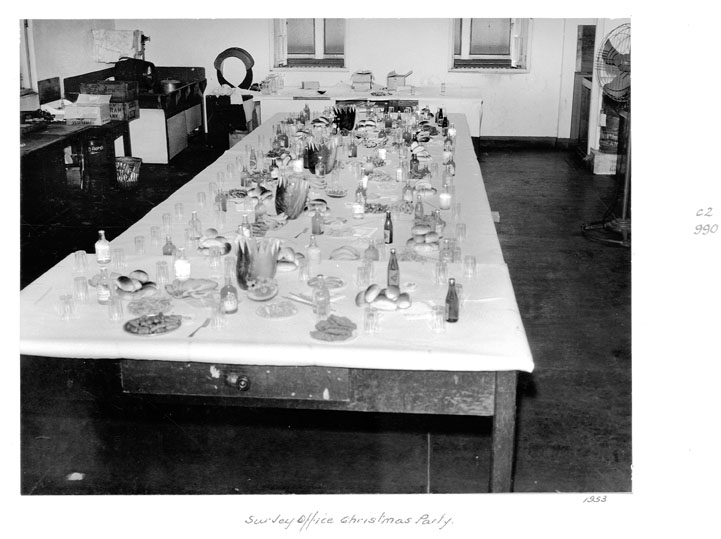
Photo: Lands Department, Survey Office, Cartographic Branch, Photographic Section, Public domain, via Wikimedia Commons
There is a moment at every office Christmas do when the room tilts. The Secret Santa has been opened, the prosecco is doing its thing, and someone suggests a game. That someone is usually about to become a legend or a cautionary tale. Chester's comedy circuit has spent years teaching performers how to survive exactly this sort of tension, and most of the lessons apply just as neatly to the pub function room as they do to a proper club stage.
So before you grab the mic, the photocopier or the MD's chair, here is a friendly guide to being the comedy star of the office party without giving HR a January project.
Read the room before you read your material
Stand-up comics talk about room temperature, and not because the radiator is on the blink. A comedy crowd can be warm, cold, restless or three pints into a works do and pretending to listen. Your office party is the same, only with more hierarchy and worse jumpers.
If the room is still digesting the finance director's speech, it is not your turn. If two people are having a deeply personal chat by the coat rack, it is not your turn. If the DJ has just put on a song that gets everyone to the dance floor, it is definitely not your turn. Read the room, wait for the natural pause, and then say the funny thing. Comedy is not a race; it is a well-timed arrival.
The heckle is not a personality
In a comedy club, a heckle is part of the sport. A punter shouts something daft, the compere fires back, and everyone enjoys the rally. At an office party, the rules change. A heckle is only funny if the person on the receiving end is laughing too, and if the subject is not their appearance, their accent, their family, their job security or the rumour about the restructure.
The difference between a heckle and an HR complaint is usually consent and content. A good-natured jab about someone's obsession with the office coffee machine is one thing. A monologue about Dave from accounts and his divorce is quite another. Chester comedy audiences are forgiving, but they are not amnesiac. Neither is HR. If your joke needs a disclaimer, a private apology or a meeting with a mediator, it belongs in the bin, not the party.
The photocopier is not a prop
Neither is the printer, the fire extinguisher, the potted plant or the life-size cardboard Santa. Props are a commitment. They need consent, cleanup and, in the case of office equipment, a risk assessment and possibly a call to facilities. If your bit requires you to photocopy your backside, remember that the machine is shared property, the glass is cold, and the resulting image will be forwarded to people you have never met.
The best comedy needs very little kit. A story, a pause, a well-placed look and a willingness to abandon ship when the joke sinks. Chester's best small-room comics can hold a crowd with nothing more than a microphone and a slightly worried expression. You can do the same at the party, minus the microphone and with a mince pie in your hand.
Test your material where failure is allowed
If you genuinely fancy yourself as the next big thing, do not audition at the office do. Test your material on a real audience first, ideally one that has paid a small amount of money and therefore feels entitled to judge you. The Laugh Inn Chester's gig guide is the sensible place to start, with listings for local comedy nights and new-act shows where a nervous first attempt is part of the entertainment rather than a disciplinary matter.
For a broader night out, keep an eye on listings at Storyhouse, Telford's Warehouse and other Chester venues that host comedy and spoken-word events. Watch how a compere handles a drunk table. Notice how the best acts change gear when a joke does not land. Ask about open-mic nights at local pubs if you want to try five minutes of your own material. Then come back to the office party and use approximately none of it, because the office party is not an open-mic night. It is a group project with Prosecco.
Follow the three-pint rule
Comedy is timing. Alcohol is a timing thief. The three-pint rule is simple: one pint of confidence, one pint of listening, and one pint of water pretending to be a pint of something more exciting. If you cannot remember the punchline, the audience will not remember it either. If you cannot remember the difference between a joke and an insult, that is the universe telling you to sit down and enjoy the buffet.
Always have an exit line
Every good set ends on a laugh, not a ramble about how you had a better idea for the joke. If the room goes quiet, do not dig. Say something cheerful and retreat: 'Anyway, who is for another mince pie?' or 'Right, I will leave it there before I unionise the crackers.' Then walk away with the quiet dignity of a comic who knows when to drop the mic, even if the mic is a paper cup.
Be the person who made people laugh, not the person HR emailed about
Chester's comedy scene works because the rooms are intimate and the audiences are up for it. Your office is even more intimate. Treat your colleagues like a paying crowd: do not pick on the vulnerable, do not go on too long, and leave them wanting one more joke rather than one more apology. Be the funny one, not the case study. And if you must photocopy anything, photocopy the taxi number.